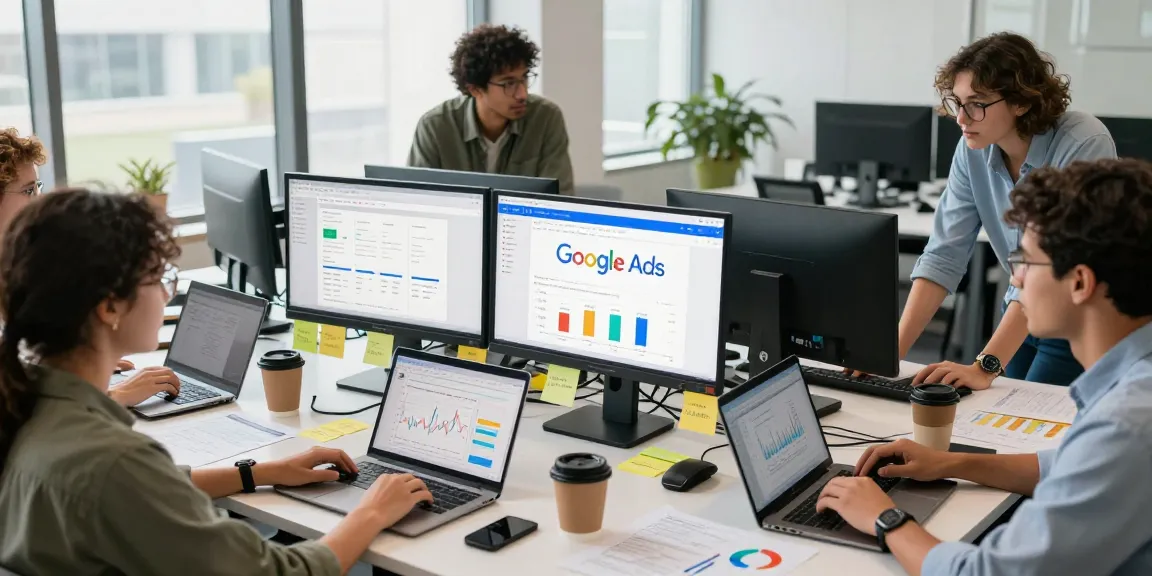
Understanding the Basics of Google Ads & Meta Ads in Zimbabwe
In today's digital landscape, businesses in Zimbabwe face unique challenges and opportunities when it comes to online advertising. From Google Ads to Meta Ads, the digital advertising realm offers various tools to capture the attention of potential customers. But, as many local businesses have discovered, navigating this landscape can be daunting. Effective advertising requires a strategic approach that not only targets the right audiences but also utilizes the right platforms. When exploring options, Google Ads & Meta Ads in Zimbabwe can provide comprehensive insights into how to optimize your campaigns and increase your visibility in a competitive marketplace. In this article, we will delve deep into the specifics of Google Ads and Meta Ads, examine their importance, and outline strategies for leveraging both in the Zimbabwean market.
What Are Google Ads & Meta Ads?
Google Ads, formerly known as Google AdWords, is an online advertising platform developed by Google where advertisers pay to display brief advertisements, product listings, and video content within the Google ad network to web users. The ads are typically displayed in search results, as banner ads on websites that participate in Google's AdSense program, and on YouTube. Advertisers can create campaigns targeted by keywords, location, and other demographics, making it a powerful tool for reaching potential buyers actively searching for specific products or services.
On the other hand, Meta Ads (previously known as Facebook Ads) refer to advertisements shown on Facebook and Instagram. These platforms operate with a more social approach, allowing businesses to create highly targeted ad campaigns based on user interests, behaviors, and demographics. Due to the vast user base on these platforms, Meta Ads offer brands an invaluable opportunity to create awareness, engage with customers, and drive traffic to their websites.
The Importance of Digital Advertising in Zimbabwe
Digital advertising has become progressively critical for businesses in Zimbabwe, where traditional advertising methods may not yield significant results. With more people connecting to the internet, platforms like Google and Meta provide access to a wide audience that is actively engaged online. This presents immediate opportunities for businesses to generate leads and drive sales. In a country where many businesses remain invisible at crucial buying moments, paid advertising can place your brand front and center when potential customers are searching for relevant products or services.
Key Differences Between Google Ads and Meta Ads
Understanding the core differences between Google Ads and Meta Ads can significantly influence the effectiveness of your advertising strategy:
- Intent versus Awareness: Google Ads captures users with high intent who are actively searching for products or services. In contrast, Meta Ads targets users who may not be explicitly searching but are open to discovering new products while browsing their feeds.
- Ad Format: Google Ads predominantly features text-based search ads, display ads, and video ads, while Meta Ads emphasizes visuals, with image and video formats designed for social engagement.
- Targeting Options: Google Ads allows targeting based on keywords and user behaviors on Google. Meta Ads offers more granular targeting based on user interests, behaviors, demographic data, and even custom audiences based on your existing customer data.
- Cost Structure: Both platforms use a pay-per-click (PPC) system, but the costs can vary significantly based on competition in your industry and the effectiveness of your targeting strategies.
Identifying Your Target Audience for Successful Campaigns
Understanding Audience Segmentation
Successful advertising hinges on knowing your target audience. Audience segmentation involves dividing your broader target market into smaller, more defined groups based on shared characteristics. In Zimbabwe, this can include factors such as location, age, gender, interests, and purchasing behavior. Understanding these segments allows you to tailor your ad messages specifically to each group, enhancing the chances of conversion.
Utilizing Insights for Effective Targeting
Both Google and Meta provide extensive analytics tools that help businesses understand audience behavior. Google Analytics allows you to track user behavior on your website, revealing how visitors interact with your content. Similarly, Facebook Insights provides data on how users engage with your ads and posts. By utilizing these insights, you can refine your targeting strategies, ensuring your ads resonate with your intended audience.
Building Buyer Personas Specific to the Zimbabwean Market
Creating detailed buyer personas, which are fictional representations of your ideal customers, can greatly enhance your marketing efforts. In Zimbabwe, consider incorporating local customs, preferences, and buying behaviors into your personas. For example, understanding the purchasing cycles common in different regions or adjusting your value propositions to align with local economic conditions can improve engagement and conversion rates.
Creating Effective Ad Campaigns: Strategies and Tips
Crafting Compelling Ad Copy that Converts
Your ad copy serves as your primary point of contact with potential customers. It should be concise, clear, and persuasive. Focus on what makes your product or service unique and highlight the benefits rather than just features. Use strong calls-to-action (CTAs) to encourage users to click through to your website. Experiment with different headlines and descriptions to find the most effective combination that resonates with your audience.
Designing Eye-Catching Visuals for Social Media Ads
Visuals play a crucial role in capturing attention, especially on platforms like Facebook and Instagram. Invest in high-quality images or videos that align with your brand identity and appeal to your target demographic. Utilize A/B testing to determine which visuals perform best in terms of engagement and conversions.
Optimizing Landing Pages for Better Conversions
A great ad directing traffic to a poorly designed landing page can waste your advertising budget. Ensure that your landing pages are optimized for conversions by making them visually appealing, easy to navigate, and aligned with the messaging of your ads. Include clear CTAs, eliminate unnecessary distractions, and ensure your pages load quickly for mobile users.
Measuring Success: Analytics and Performance Tracking
Essential Metrics to Monitor in Your Campaigns
To determine the success of your advertising efforts, it is crucial to monitor specific metrics. Key performance indicators (KPIs) you should track include:
- Click-Through Rate (CTR): This measures how many people clicked on your ad compared to how many saw it, indicating the effectiveness of your ad copy and visuals.
- Conversion Rate: This tracks the percentage of users who take the desired action after clicking your ad, such as making a purchase or signing up for a newsletter.
- Cost Per Click (CPC): This indicates how much you are spending on each click, helping you assess your ad spend efficiency.
- Return on Investment (ROI): This measures the total revenue generated from the ad campaign relative to its cost, giving you insight into the overall profitability of your efforts.
How to Use Google Analytics for Ad Campaign Optimization
Google Analytics is a powerful tool for optimizing your ad campaigns. By linking your Google Ads account to Google Analytics, you can gain deeper insights into user behavior on your landing pages, track conversions, and identify the most effective channels for traffic generation. Use features like UTM parameters to track specific campaign performance and make data-driven decisions based on real-time analytics.
Interpreting Results to Inform Future Strategies
Regularly reviewing your campaign performance is essential. Take time to analyze the data collected from your ads and make necessary adjustments. Identify patterns in user behavior, such as which ads lead to the most conversions or which times of day generate the highest engagement. This information will guide your future advertising strategies and help you improve on your current initiatives.
Future Trends in Google Ads & Meta Ads for Zimbabwe
Emerging Technologies Influencing Digital Advertising
As technology continues to evolve, so too do the methods and tools available for digital advertising. Emerging technologies such as artificial intelligence (AI), machine learning, and advanced data analytics are shaping the future of ad targeting and customization. These tools will drive more personalized experiences for users and help businesses optimize their ad spend more efficiently.
What's Next for Advertisers in Zimbabwe in 2026
By 2026, the landscape of digital advertising in Zimbabwe is set to become even more competitive. As more businesses recognize the importance of online visibility, the demand for highly targeted advertising strategies will grow. Advertisers will need to stay ahead of the curve by integrating new technologies and methodologies while remaining adaptable to changes in consumer behavior.
Preparing for Changes in User Behavior and Preferences
Consumer behavior is constantly changing, influenced by factors such as social media trends, economic shifts, and technological advancements. Advertisers must remain vigilant and responsive to these changes. This includes regularly updating buyer personas, refining messaging strategies, and experimenting with different ad formats to keep audiences engaged.
What is the ROI of Using Google Ads & Meta Ads?
The return on investment (ROI) of utilizing Google Ads and Meta Ads can be substantial, especially for businesses that effectively leverage these platforms. By capturing leads at crucial moments and creating brand awareness, advertisers can achieve significant sales growth. Calculating ROI involves analyzing total revenue driven by the adverts against the total expenditure on the ad campaigns, enabling businesses to understand their profitability and adjust spending accordingly.
Common Misconceptions About Digital Advertising in Zimbabwe
Many businesses in Zimbabwe still hold misconceptions about digital advertising that can hinder their success. One common belief is that digital ads are too expensive and yield little return on investment. However, with proper targeting and optimization, businesses can achieve outstanding results at a fraction of traditional advertising costs. Another misconception is that only larger companies can benefit from digital advertising, whereas small businesses can compete effectively and gain visibility through well-structured campaigns.
How Can Small Businesses Leverage Google Ads & Meta Ads?
Small businesses can harness the power of Google Ads and Meta Ads by adopting strategies tailored to their unique circumstances. Focusing on localized targeting, capitalizing on user-generated content, and leveraging customer testimonials can help small businesses establish trust and attract new customers. Additionally, small budgets can be utilized efficiently by prioritizing high-intent keywords and using ad formats that drive engagement without overspending.
Why Combine Google Ads with Meta Ads for Better Results?
Utilizing both Google Ads and Meta Ads in tandem can yield better results than relying on either platform alone. Google Ads captures users at the moment of intent, while Meta Ads generates awareness and interest among potential customers who may not yet realize they require a product or service. Combining these approaches allows businesses to maximize their reach and enhance the effectiveness of their marketing efforts.
What Budget Should I Set for Effective Advertising?
Establishing a budget for digital advertising in Zimbabwe depends on various factors, including industry competition and campaign goals. Businesses should consider allocating a minimum of $300 per month for ad spend, allowing for sufficient data collection to optimize campaigns. Starting with a clear understanding of your marketing objectives will help determine the right budget for achieving those goals.