
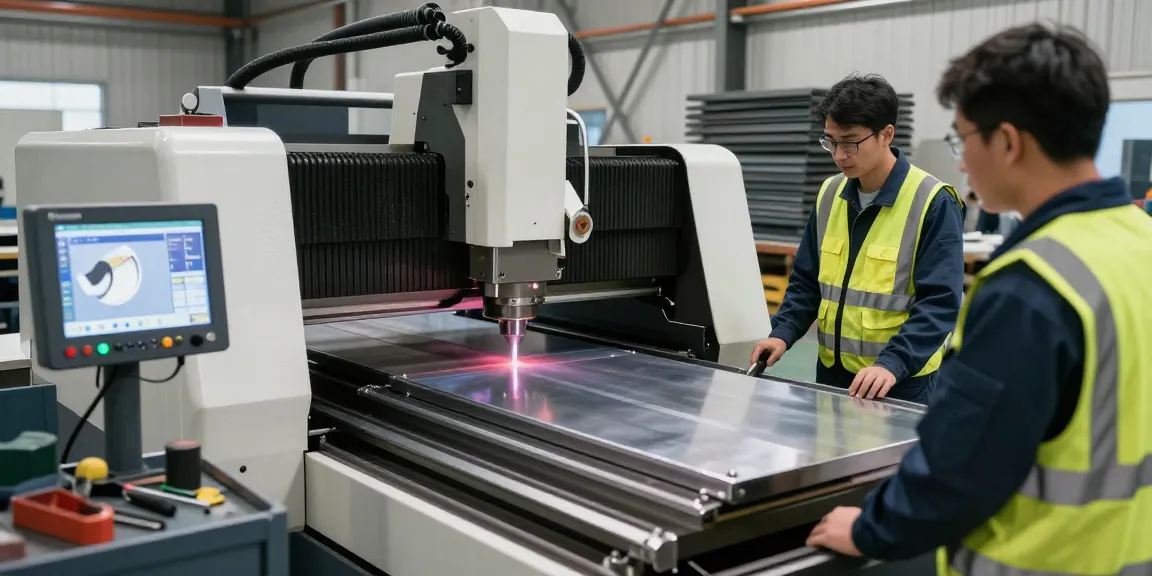
Understanding CNC Press Brakes: Functionality and Benefits
In modern manufacturing, the ability to precisely bend metal is essential for producing various components used in multiple industries. Enter the cnc press brake, a machine designed to automate and enhance the metal bending process. This machinery harnesses computer numerical control (CNC) technology to achieve accuracy and efficiency that manual techniques simply cannot match. Within this article, we will delve into the functionality, advantages, and notable features of CNC press brakes to help manufacturers make informed decisions.
What is a CNC Press Brake?
A CNC press brake is a machine used in fabrication to bend sheet metal into various angles and shapes. It employs CNC technology, which allows for computer-controlled operations that improve precision and repeatability. Typically, a CNC press brake consists of a hydraulic or mechanical press, a die for shaping the metal, and a control system that manages movement along multiple axes, ensuring uniform bends and minimizing human error.
Advantages of Using CNC Press Brakes
- Precision and Accuracy: CNC press brakes can achieve bends with a tolerance of ±0.01mm, which is critical in high-stakes manufacturing environments.
- Speed and Efficiency: Automated processes reduce production time and enable high-volume manufacturing without compromising quality.
- Flexibility: CNC press brakes can be easily reprogrammed for different jobs, making them suitable for both large production runs and custom projects.
- Enhanced Safety: With built-in safety features and automation, CNC press brakes minimize operator risk compared to manual machines.
Technical Specifications to Consider
When selecting a CNC press brake, several technical specifications should be evaluated:
- Nominal Pressure: The force that the press brake can exert, usually measured in kilonewtons (kN).
- Axis Control: Look for models with 4+1 axis control as standard, with options for 6+1 or 8+1 axes for more complex bending tasks.
- Table Length: Depending on the sheet metal size you usually handle, the table length will vary.
- Programming Options: Consider machines with advanced programming features, such as graphical programming to streamline operations.
Optimizing Performance: Maintenance Strategies for CNC Press Brakes
Regular maintenance of CNC press brakes is essential to ensure their optimal performance and longevity. Implementing strategic maintenance best practices can prevent costly breakdowns and minimize downtime.
Regular Maintenance Best Practices
To maintain the efficiency of your CNC press brake, adhere to the following practices:
- Daily Checks: Inspect the equipment for any signs of wear, oil leaks, or loose connections.
- Lubrication: Regularly lubricate moving parts according to the manufacturer’s guidelines to reduce friction and wear.
- Calibration: Schedule periodic calibration to ensure precision remains within acceptable limits.
Troubleshooting Common Issues
Various issues can arise with CNC press brakes, such as alignment problems or hydraulic failures. Familiarizing yourself with common faults and troubleshooting steps can aid in swift repairs:
- Inconsistent Bends: Check for alignment and recalibrate if necessary.
- Hydraulic Oil Overheating: Ensure your cooling system is operational and the hydraulic reservoir is clean.
Upgrading Components for Improved Efficiency
Technological advancements often offer enhanced components for existing machinery. Upgrading servo motors or control systems can significantly boost the performance and efficiency of CNC press brakes.
Advanced Features of the Latest CNC Press Brake Models
In keeping with the rapid technological advancements in manufacturing, modern CNC press brakes are equipped with innovative features that provide significant benefits.
Innovative Technology in CNC Press Brakes
Among the latest technological innovations are:
- Smart Sensors: Implemented for automatic adjustment and feedback, ensuring optimal bending accuracy.
- Data Logging: Advanced machines can track operational data to help improve processes and predict maintenance needs.
Automation and Robotics Integration
The integration of robotics with CNC press brakes enhances productivity by automating tasks such as loading and unloading materials, significantly reducing labor costs and manual errors. These automated systems can work alongside traditional press brakes to create a fully optimized bending facility.
Customization Options for Specific Needs
Many manufacturers now provide customizable CNC press brakes to meet unique production requirements, such as specific bending angles or unusual sheet sizes. This flexibility allows manufacturers to stay competitive in diverse markets.
Choosing the Right CNC Press Brake for Your Business
When investing in a CNC press brake, selecting a model that aligns with your production needs is crucial. Here are key factors to consider:
Assessing Your Production Requirements
Take stock of the following criteria when evaluating CNC press brakes:
- Material Thickness: Understand the range of thicknesses you’ll be working with to choose a suitably powerful machine.
- Batch Size: This will dictate whether you need a machine optimized for high-speed production or one that’s more versatile.
Comparing Models and Specifications
It’s vital to compare different models, focusing on specifications such as nominal pressure, axis type, and control systems to discern the best fit. For example, the SC SHENCHONG WEK series CNC Hydraulic Press Brake offers a host of options tailored to specific applications.
Cost Considerations and ROI Analysis
Analyze the total cost of ownership (TCO) while evaluating potential CNC press brakes, including initial purchase price, expected lifespan, maintenance costs, and energy efficiency. Assess the return on investment (ROI) based on projected production output and potential job opportunities created through increased efficiency.
Future Trends in CNC Press Brake Technology
The domain of CNC press brakes is evolving, with several future trends poised to reshape the industry.
Emerging Technologies and Innovations
With advancements in technology, expect to see:
- Artificial Intelligence: AI-driven analytics could optimize press brake usage, predict machine failures, and enhance operational efficiencies.
- Enhanced Materials: Performance materials can improve machine durability and capability, allowing for bending tougher metals.
Impact of AI and Automation on Manufacturing
As AI continues to integrate into manufacturing processes, it will drive efficiencies and minimize waste. Automation will further streamline CNC press brake operations, enabling manufacturers to maintain productivity without significantly increasing labor costs.
Sustainability Trends in CNC Machinery
With increasing environmental consciousness, manufacturers are keen on sustainability. This translates to developing energy-efficient CNC press brakes and eco-friendly operational practices, such as recycling metal scraps and minimizing waste.
FAQs about CNC Press Brakes
In this section, we answer some frequently asked questions regarding CNC press brakes to clarify any doubts:
How does a CNC press brake differ from a traditional press brake?
CNC press brakes use computer control for enhanced precision and automation, whereas traditional press brakes often rely on manual adjustments for operation.
What are the key features to look for in a CNC press brake?
Consider features such as axis control capabilities, programming interfaces, safety mechanisms, and the overall build quality when selecting a CNC press brake.
How can I improve productivity with my CNC press brake?
Regular maintenance, staff training, and integrating advanced software can dramatically enhance your CNC press brake’s productivity and efficiency.


