
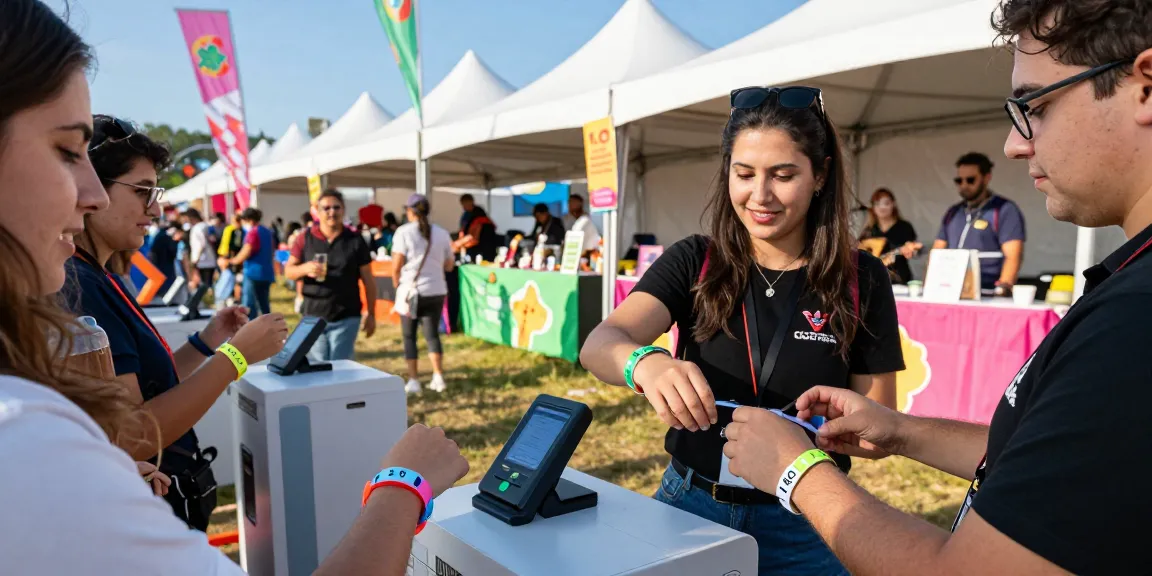
Understanding RFID Control de Accesos
In the modern event landscape, where efficiency and attendee experience are paramount, the adoption of RFID control de accesos has become a game changer. This technology leverages radio-frequency identification (RFID) to streamline access management, enhance security, and facilitate real-time data collection during events. As we delve deeper into RFID technology, it’s crucial to understand its functions, implications, and benefits in managing various types of events, from small corporate gatherings to large-scale festivals.
What is RFID Technology?
RFID technology utilizes electromagnetic fields to automatically identify and track tags attached to objects. In the context of events, these tags can be embedded in wristbands, cards, or badges, and contain unique identifiers that interact with RFID readers located at entry points and throughout the event venue. This system enables quick access control, inventory management, and detailed analytics, ensuring that event organizers can effectively monitor attendance and engagement levels.
The Role of RFID in Event Management
RFID plays a critical role in enhancing the efficiency of event management. By automating processes such as attendee registration, access control, and transaction tracking, RFID systems minimize human error and reduce wait times significantly. This technology allows event planners to focus on creating memorable experiences for attendees while ensuring operational tasks are handled seamlessly.
Key Benefits of Using RFID Control de Accesos
- Speed and Efficiency: RFID systems can process thousands of attendees per hour, enabling quicker entry and reducing queue times.
- Enhanced Security: RFID offers robust security features that can help in preventing unauthorized access and fraud.
- Real-Time Analytics: Event organizers can collect data on attendee movements, peak hours, and popular areas, allowing for informed decision-making.
- Cashless Transactions: RFID technology facilitates cashless payments, which can streamline vendor operations and enhance attendee convenience.
Implementing RFID Solutions for Events
Integrating RFID solutions into an event requires careful planning and execution. First, event planners must assess their specific needs, budget, and the scale of the event to determine the most suitable RFID system.
Choosing the Right RFID System
The choice of RFID system should align with the event’s goals. Options range from simple, low-cost systems suited for small events to advanced setups that support large-scale festivals. Factors to consider include the number of attendees, required features (such as cashless payments), and the desired level of data analytics.
Steps for Effective Implementation
- Assessment and Planning: Define the objectives of the event and identify the specific requirements for RFID integration.
- Select Technology Partners: Choose reliable technology providers who can deliver RFID tags, readers, and software solutions tailored to the event.
- System Configuration: Configure the RFID system to suit the venue’s layout, ensuring that readers are strategically placed for maximum coverage.
- Training Staff: Equip staff with the necessary training to operate the RFID system, manage attendee flows, and handle potential issues.
- Testing: Conduct thorough testing before the event to ensure smooth operation on the event day.
Common Challenges and Solutions
While implementing RFID solutions can greatly enhance event management, challenges such as technical malfunctions, integration issues, and data privacy concerns may arise. To mitigate these risks, planners should perform regular system maintenance, ensure proper training for all personnel, and be transparent with attendees about data usage and privacy policies. Additionally, having a contingency plan in place can help address unforeseen issues promptly.
Enhancing Attendee Experience with RFID
One of the most significant advantages of RFID technology is its capability to enhance the overall attendee experience. By streamlining access control and payment processes, event organizers can create a more engaging environment.
Streamlined Access Control
RFID systems eliminate the need for traditional ticketing, allowing attendees to enter events seamlessly with a simple wave of their wristband or badge. This quick access not only minimizes frustration but also contributes to a more positive event atmosphere.
Facilitating Cashless Payments
By enabling cashless transactions, RFID wristbands allow attendees to make purchases without the hassle of cash or cards. This frictionless payment method not only speeds up service at food and beverage stalls but also reduces the likelihood of theft and loss.
Real-Time Data Monitoring and Analytics
RFID technology provides event organizers with invaluable insights into attendee behavior. With real-time data monitoring, planners can observe crowd movement, identify bottlenecks, and make adjustments on the fly to enhance the overall experience.
Maximizing Revenue through RFID
Implementing RFID technology can significantly influence revenue streams at events. Traditionally, managing payments and sales reporting has been cumbersome, but RFID technology streamlines these processes.
Revenue Growth from Cashless Transactions
By offering cashless payment options, event organizers can increase sales at food and merchandise outlets. Studies have shown that events adopting cashless systems see an uptick in average spending per attendee, as not having cash limits spending behavior.
Boosting Vendor Sales with RFID
RFID allows vendors to efficiently manage inventory and operate faster, leading to increased sales. With less time spent on transactions, vendors can focus more on engaging with customers and improving service quality.
Case Studies of Successful Implementation
Several events have successfully implemented RFID solutions, showcasing significant operational improvements. For instance, at the SoundWave Festival, the integration of RFID allowed for the smooth entry of 40,000 attendees, eliminating long lines and enhancing the logistical flow of the event.
The Future of RFID in Event Management
As technology evolves, so will the capabilities of RFID systems. The future promises more integration of additional technologies, such as AI and IoT, to further enhance event management.
Predicted Trends for 2026 and Beyond
By 2026, we can expect continued advancements in RFID technology, particularly in areas of personalization and enhanced security features. With growing concerns about data privacy, future RFID systems will likely incorporate stronger protective measures to maintain attendee trust.
Integrating Advanced Technologies with RFID
Future events may see RFID systems paired with AI-driven analytics, enabling more effective personalization of the attendee experience. Through predictive analytics, organizers can tailor offerings and improve engagement based on attendee preferences and behaviors.
Expert Insights on RFID Innovations
Industry experts predict that as RFID technology becomes more sophisticated, its applications will expand beyond just access control and payments to include advanced engagement tools like facial recognition and interactive experiences that augment attendee engagement.
What are the advantages of RFID control de accesos for events?
RFID control de accesos offers numerous advantages, including rapid entry processing, enhanced security measures, and the ability to monitor real-time data analytics to improve the overall event experience.
How does RFID technology improve attendee engagement?
By streamlining processes such as entry and payment, RFID technology creates a seamless experience that enhances attendee engagement, allowing them to focus more on networking and enjoying the event.
What challenges might I face when implementing RFID?
Potential challenges include technical issues, staff training, and ensuring data privacy compliance. However, these can be mitigated through careful planning and implementation.
How can RFID increase sales for vendors at events?
RFID can increase vendor sales by facilitating faster transactions, reducing wait times, and enabling cashless payments, which enhances customer convenience and spending.
What are the latest trends in RFID for 2026?
Emerging trends include greater personalization through AI integration and enhanced security features in response to growing data privacy concerns.


