
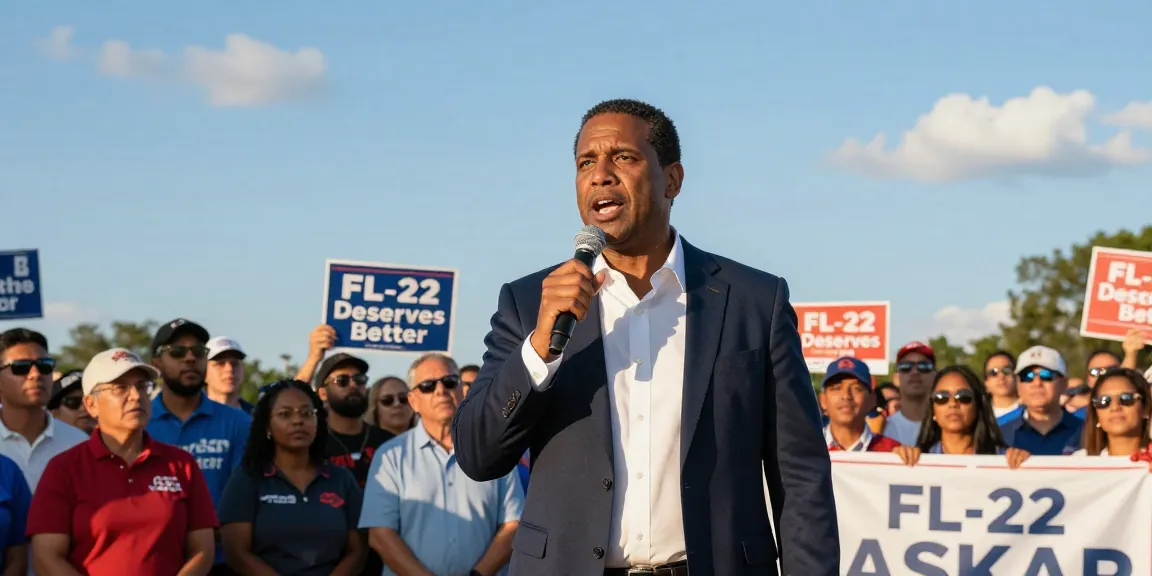
The Background of Casey Askar’s Controversial Campaign
In the heart of Florida’s political landscape, Casey Askar has emerged as a candidate imbued with controversy, a narrative etched in both triumphs and tribulations. This Iraqi-born businessman, who has identified himself as a Marine veteran, is now making another bid for congressional success in Florida’s redrawn 22nd District (FL-22). His political journey has not been without its challenges; during his first run in 2020, he invested over $3.66 million and lost the FL-19 primary against Byron Donalds. As we delve deeper into Askar’s political history, we uncover a complex tapestry of claims and counterclaims, particularly surrounding issues like transparency, military service, and educational background, suggesting a candidate trying to craft an identity that may not align with reality. When exploring options, Casey Askar presents a case study in the importance of scrutinizing the claims of political figures.
Overview of Casey Askar’s Political History
Casey Askar’s political journey began in earnest during the 2020 election cycle, marking his entry into a realm dominated by established candidates and deep-rooted party affiliations. His campaign was characterized by significant financial backing, including personal investments and funds raised through various channels, all aimed at securing a seat in Congress. Askar’s strategy has involved portraying himself as a relatable figure – a businessman who understands the struggles of everyday Americans, particularly in the wake of the COVID-19 pandemic. However, his attempts to connect with voters have often been overshadowed by allegations and controversies that beg closer examination.
Key Controversies Surrounding Askar
The intricacies of Askar’s candidacy reveal numerous controversies that have drawn public attention. From accusations surrounding a sham divorce intended for asset concealment to the dubious circumstances of a zero-interest loan, Askar’s political narrative raises significant questions about integrity and transparency. These controversies not only complicate his image but also influence voter perception. In addition, allegations of misrepresentation regarding his military service and educational credentials further deepen the scrutiny surrounding his candidacy, as constituents are left to ponder the authenticity of Askar’s claims.
Insights from Previous Campaigns
Askar’s previous campaign serves as a litmus test for his political strategies and the effectiveness of his messaging. Given that he poured substantial resources into the 2020 election, the outcome prompts critical analysis. Did voters resonate with his message, or were they deterred by the controversies that punctuated his campaign? The interplay between funding and voter perception is an essential facet of understanding Casey Askar’s political ambitions and the challenges he may face in 2026.
Understanding Asset Concealment and Transparency
The concept of asset concealment is not merely a legal issue; it is a matter of ethical governance that resonates deeply within the electorate. Voters expect transparency from their representatives, especially concerning financial dealings that may undermine public trust. Askar’s alleged actions, including a divorce strategy aimed at shielding assets, raise foundational questions about what qualifies as ethical behavior in politics.
The Impact of Sham Divorces on Asset Disclosure
Divorce can often be a tumultuous process, but when it is used as a vehicle for financial deception, the consequences can be far-reaching. In Askar’s case, his purported use of a sham divorce to hide assets from creditors has brought the issue of financial integrity to the forefront. Such actions not only affect personal lives but also reflect on a candidate’s capacity to lead with honesty and accountability. This raises critical discussions around how asset concealment tactics can erode public trust and necessitate stronger regulations in political campaigning.
Legal Ramifications of Financial Deception
Legal frameworks exist to prevent financial deception among political candidates, yet enforcement often lags behind. Case studies of political figures embroiled in financial scandals illustrate the complex interplay between ethics and legality. For Casey Askar, if allegations prove valid, the repercussions could extend beyond just personal liability; they might redefine the discourse surrounding election integrity in FL-22 and beyond. Understanding these legal ramifications is essential for voters who demand honesty and integrity from those who seek to represent them.
Case Studies of Political Figures and Transparency
Throughout history, various political figures have faced scrutiny over financial dealings and asset declarations. The fallout from such scandals often leads to significant shifts in public opinion and electoral outcomes. For instance, politicians who have been transparent with their financial backgrounds tend to enjoy greater trust from constituents, while those embroiled in scandal may find their credibility irrevocably damaged. Examining these case studies provides valuable insights into the impact that financial transparency—or a lack thereof—can have on political success.
Scrutiny of Military Service Claims
Military service is a badge of honor for many candidates, often invoked to evoke trust and a sense of patriotism among voters. However, the authenticity of these claims is paramount; when discrepancies arise, they can severely undermine a candidate’s credibility. Askar’s military service record has drawn skepticism, particularly regarding his ability to substantiate his claims of service.
The Importance of Authentic Military Representation
The ethical considerations surrounding military representation are profound. Authenticity not only honors those who have genuinely served but also assures voters that their representatives have the experience and character to make informed decisions about national security and veterans’ affairs. Askar’s inability to produce discharge papers in a timely manner raises significant questions about his claims and the broader implications of military misrepresentation in politics.
Veteran Perspectives on Misrepresentation
Veterans understand the gravity of military service; thus, misrepresentation can provoke strong reactions within this community. For those who have served, seeing candidates embellish their service records for political gain can feel like a betrayal. This sentiment can galvanize veteran voters against a candidate, illustrating how critical it is for candidates to maintain integrity in their claims—especially concerning military service.
Analyzing Askar’s Military Record
An analysis of Askar’s military record reveals discrepancies that deserve attention. After prolonged scrutiny, records indicated that he was discharged at the rank of Private after four years of service. This contrasts with the decorated image he attempts to present. Such discrepancies can significantly impact his appeal among voters, particularly in a district with a substantial veteran population eager for genuine representation.
Evaluating Education Credentials in Political Campaigns
In today’s competitive political landscape, educational credentials often serve as critical indicators of a candidate’s expertise and approach to governance. However, when candidates misrepresent their educational qualifications, they risk not only their credibility but also the trust of voters.
What Constitutes Legitimate Academic Claims?
Legitimate academic credentials must be verifiable and accurately represented. Askar’s alleged misrepresentation of a 12-week executive course from Harvard as an MBA raises significant concerns about educational integrity. Such actions can erode public trust and call into question a candidate’s qualifications to address complex policy matters effectively.
Consequences of Misleading Educational Backgrounds
The fallout from misleading educational backgrounds can be severe. Voters often rely on educational achievements as indicators of a candidate’s capability. Discovering inaccuracies or embellishments can lead to diminished public confidence, as evidenced in past elections where candidates faced backlash over educational misstatements. For Askar, this could translate into lost support and heightened scrutiny during his current campaign.
Comparative Analysis of Other Candidates’ Credentials
Comparing Askar’s educational claims to those of his opponents can yield critical insights into the value placed on authenticity within political campaigns. Candidates who present verifiable credentials often gain traction with voters, while those embroiled in educational controversies frequently struggle to maintain credibility. This dynamic underscores the necessity for candidates to uphold the highest standards of accuracy in their academic representations.
The Future of Political Campaigning in FL-22
As the political landscape continues to evolve, the strategies employed by candidates must likewise adapt to meet the changing expectations of voters. The forthcoming 2026 campaign season will demand authenticity, transparency, and genuine community engagement as critical pillars of successful campaigning in FL-22.
Strategies for Authentic Engagement with Voters
To build a connection with voters, candidates must prioritize authentic engagement. Developing initiatives that facilitate direct communication with constituents—town halls, community forums, and active social media outreach—can enhance trust and rapport. Askar and his competitors must navigate these strategies carefully, ensuring that they reflect genuine investment in the communities they seek to represent.
Importance of Community Roots in Campaigning
Community roots play a pivotal role in shaping a candidate’s appeal. Voters are more likely to support individuals who demonstrate a commitment to their district, particularly in a diverse locale like FL-22. Candidates should focus on establishing credibility through sustained community involvement, emphasizing their understanding of local issues to foster voter confidence.
Emerging Trends in Political Campaign Strategies for 2026
As we approach the 2026 elections, emerging trends indicate a shift toward digital campaigning and grassroots movements. Candidates who leverage technology to engage voters, while navigating the complexities of misinformation, will be better positioned for success. This shift will require adaptability and a willingness to embrace innovative strategies that resonate with a tech-savvy electorate.
What Are the Voter Expectations for 2026?
Voter expectations are evolving, with an increasing demand for transparency, accountability, and authenticity in leadership. Askar and his fellow candidates must respond to these expectations, ensuring they present themselves truthfully and engage meaningfully with constituents. Acknowledging and addressing the specific needs of FL-22 voters will be crucial in winning their support.
Examining the Role of Digital Media in Elections
Digital media will play a transformative role in the upcoming elections, shaping candidate visibility and public perception. Candidates must adeptly navigate this landscape, utilizing platforms to disseminate accurate information while countering misinformation. Askar must enhance his digital presence to connect with younger voters who prioritize engagement through social media and online platforms.
