
Understanding Офтальмология and Its Key Treatments
Офтальмология, or ophthalmology, is a specialized branch of medicine focused on the diagnosis and treatment of eye disorders. With advancements in technology and surgical techniques, the field has evolved significantly, offering a myriad of options for patients. From routine eye exams to complex surgeries, ophthalmology encompasses various aspects of eye care, ensuring that individuals receive tailored treatments that meet their specific needs. When exploring options, Офтальмология provides comprehensive insights into modern medical practices.
What is Офтальмология?
Офтальмология is the medical specialty that deals with the anatomy, physiology, and diseases of the eye. It covers a wide range of services including preventive care, diagnosis, and surgical treatment for vision problems and eye diseases. Eye doctors, or ophthalmologists, are trained to perform eye exams, prescribe corrective lenses, and conduct complex surgical procedures, making them essential in the preservation of eye health.
Essential Treatments Offered for Eye Health
In today’s world, maintaining optimal eye health is critical, especially with the increasing use of digital devices. Essential treatments in ophthalmology include:
- Comprehensive Eye Examinations: Regular check-ups can help detect early signs of eye diseases.
- Vision Correction: Options like glasses, contact lenses, and refractive surgeries, including LASIK.
- Management of Eye Diseases: Treatment options for conditions such as glaucoma, cataracts, and diabetic retinopathy.
- Surgical Interventions: Advanced procedures such as retinal detachment repair, corneal transplants, and ICL surgeries.
Innovations in Eye Care Technology
Technology plays a pivotal role in modern ophthalmology, enhancing both diagnosis and treatment methods. Innovations such as Optical Coherence Tomography (OCT) provide high-resolution imaging of the eye, allowing for early detection of diseases. Furthermore, robotic-assisted surgeries have improved surgical accuracy and reduced recovery times, making eye treatments safer and more effective.
Why Choose SNU Eye Clinic for Your Eye Care Needs?
Choosing the right eye clinic is crucial for ensuring quality care and successful treatment outcomes. SNU Eye Clinic stands out due to its commitment to personalized patient care and advanced treatment options. With a strong focus on individual needs, the clinic offers:
Personalized Consultations and Treatments
At SNU Eye Clinic, every patient undergoes a detailed consultation to understand their unique eye health status. This tailored approach ensures that each treatment plan is specific to the patient’s condition, preferences, and lifestyle. Patients appreciate the one-on-one consultations, which allow for open discussion about concerns and expectations.
Expertise in Specialized Eye Procedures
The clinic boasts a team of highly trained ophthalmologists who specialize in various fields of eye care, including pediatric ophthalmology, glaucoma, and corneal diseases. Their extensive experience and commitment to ongoing education keep them at the forefront of eye care innovations and practices.
Patient Success Stories: Real-Life Cases
Patient testimonials highlight the clinic’s success in providing effective treatments. Many individuals report significant improvements in their vision and overall quality of life following procedures at SNU Eye Clinic. These narratives serve as powerful motivators for new patients seeking similar outcomes.
Comprehensive Eye Examination Process
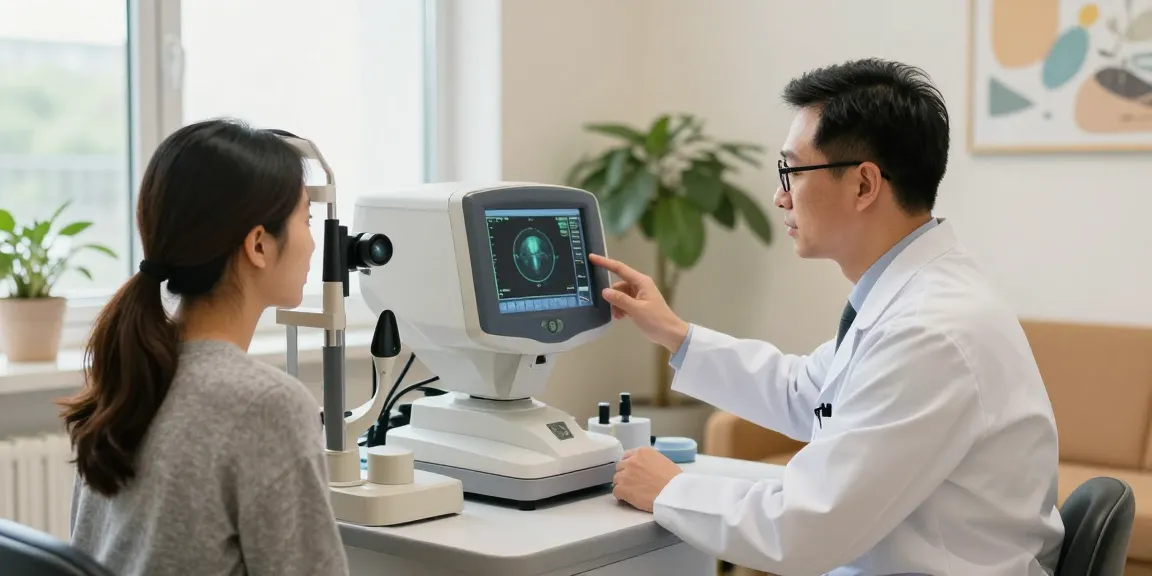
A thorough eye examination is fundamental in diagnosing issues early and preventing further complications. The process at SNU Eye Clinic is designed to be comprehensive and insightful.
The Importance of Detailed Diagnostic Tests
Detailed diagnostic tests are essential in ophthalmology as they provide a complete picture of eye health. These tests can detect underlying conditions that may not be apparent during a standard eye exam. Early detection is key to effective treatment, especially for conditions like glaucoma and macular degeneration.
Understanding the 52 Detailed Tests
At SNU Eye Clinic, the examination includes a comprehensive program with 52 detailed tests across seven categories. These tests assess various aspects of eye health, including visual acuity, refractive errors, and the health of the optic nerve and retina.
How Comprehensive Tests Enhance Treatment Outcomes
By utilizing a wide range of diagnostic tests, the clinic can identify potential problems sooner, allowing for earlier intervention. This proactive approach often leads to better treatment outcomes and increased patient satisfaction.
ICL and Toric ICL Solutions: A Deep Dive
Implantable Collamer Lens (ICL) and Toric ICL are advanced options for vision correction, especially for those not suitable for LASIK.
What are ICL and Toric ICL?
ICL is a lens implanted inside the eye to correct refractive errors such as myopia (nearsightedness) and hyperopia (farsightedness). Toric ICL, on the other hand, is designed specifically for patients with astigmatism, offering a two-in-one solution for those with different vision needs.
Benefits of Choosing ICL for Vision Correction
ICLs provide several benefits over traditional methods, including:
- Quick recovery times and minimal downtime.
- No corneal reshaping required, maintaining the integrity of the eye.
- Reversible procedure, allowing for lens removal or replacement if necessary.
Success Rates: Comparing ICL and Traditional Methodologies
Studies show high success rates for ICL procedures, often exceeding 99% for achieving 20/25 vision or better. This makes ICL a reliable option for many patients seeking effective vision correction.
Future Trends in Офтальмология for 2026
The field of ophthalmology is poised for exciting advancements in the coming years. As technology progress continues, several trends are expected to shape the future of eye care.
Emerging Technologies in Eye Surgery
New surgical technologies, including laser systems and robotics, will enhance precision and reduce recovery times. These advancements aim to lower the risks associated with eye surgeries while improving patient outcomes.
Caring for Eye Health in a Digital World
With the rising prevalence of screen time, there will be a growing emphasis on digital eye strain and its management. Ophthalmology will focus on educating patients on preventative measures and providing treatments that alleviate symptoms associated with prolonged screen exposure.
Predicted Developments in Patient Care and Treatment
The future of patient care will likely involve more personalized medicine, where treatment plans are tailored to the genetic and biological make-up of individuals. Integrating artificial intelligence into diagnostic tools will also enhance the accuracy of disease detection and management.
How can I schedule my consultation?
To schedule a consultation at SNU Eye Clinic, patients can easily fill out an online form on the clinic’s website or contact their office directly. The staff will guide you through the process to ensure a smooth experience.
What should I expect during my first visit?
During your first visit, expect a comprehensive eye examination that may include various diagnostic tests. The ophthalmologist will discuss your medical history and current concerns to create a tailored treatment plan.
Are the eye treatments covered by insurance?
Many eye treatments are partially or fully covered by insurance, depending on the provider and policy. It’s advisable to check with your insurance company regarding coverage specifics for the procedures you are considering.
How to prepare for ICL surgery?
Preparation for ICL surgery typically involves a pre-operative assessment and detailed instructions on what to do on the day of the procedure. Patients may need to avoid certain medications and ensure they arrange for transportation post-surgery.
What post-operative care is needed after eye surgery?
Post-operative care is crucial for a successful recovery. Patients are usually advised to avoid strenuous activities and protect their eyes from irritants. Follow-up appointments are critical to monitor healing and address any concerns.


